📻 Community Feed

Restoration stories, rare exhibits, unboxings and collector memories.

✍️ Write Post
R
@retro_mobi⭐ Museum Ambassador
Motorola MPx200
🏛 Museum Exhibit

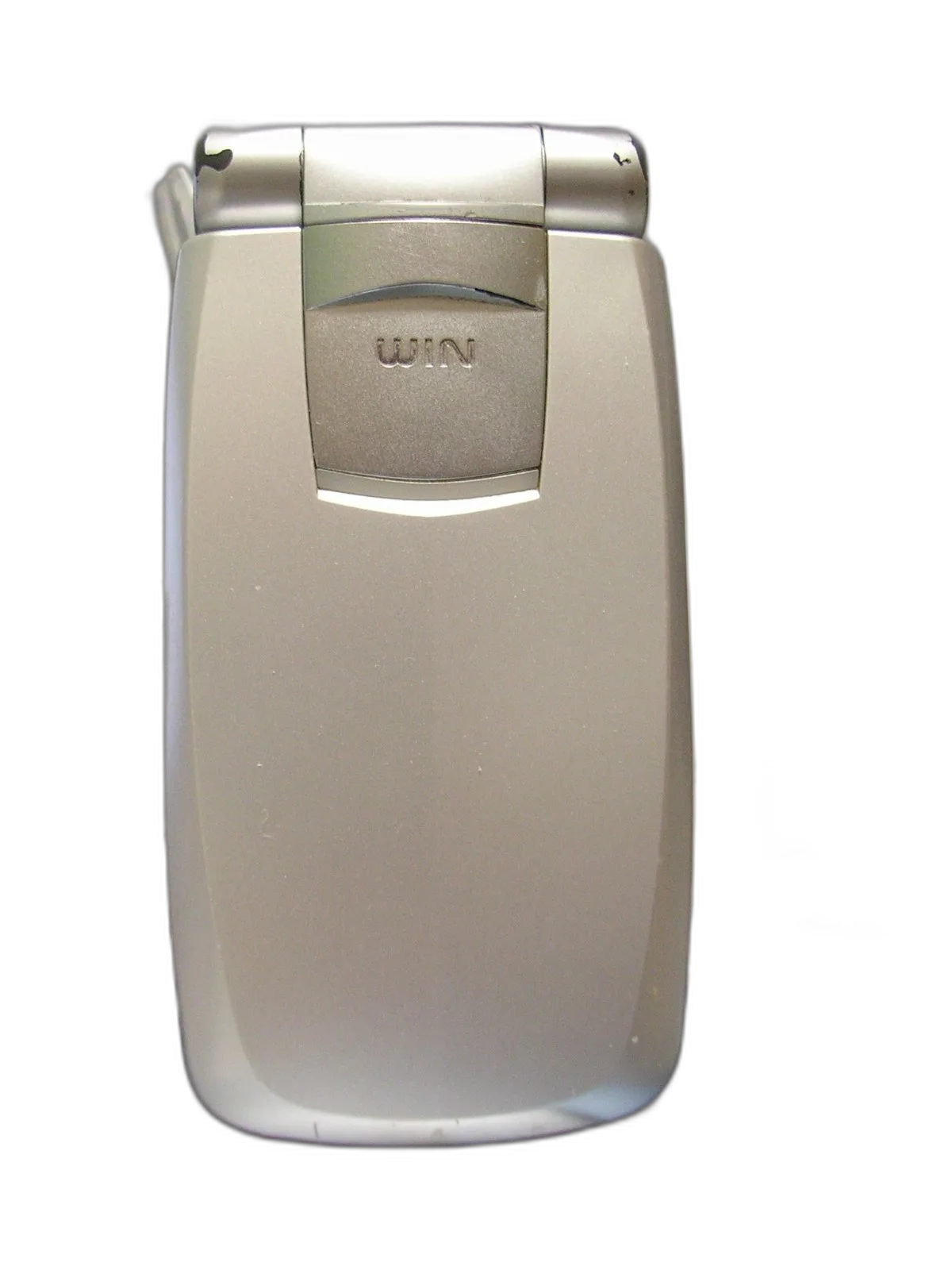
Motorola MPx200: the first Windows smartphone not made by Motorola

In October 2003, Motorola released the MPx200 — its first smartphone running Windows Mobile 2003 for Smartphone. The device was a flip phone, but under the silver lid sat the OEM platform HTC Voyager: the same hardware foundation as the O2 Xphone. The similarly specced Orange SPV E200, Qtek 8080, and i-mate Smartphone2 were built on the HTC Tanager, so this is not one device under five logos.

The specs reveal the compromises of 2003: a TI OMAP at 133 MHz, 32 MB RAM and 32 MB ROM, a 2.2-inch screen with 176×220 resolution, and a full-size SD/MMC slot. No camera, no Bluetooth — only an infrared port and wired synchronization. On the plus side, SD was cheaper than miniSD at the time, and a 256 MB card could be swapped over from a laptop.

Motorola added its own casing, keypad, and software branding, but the platform remained HTC Voyager. For collectors, the MPx200 is a rare example of early OEM collaboration: Motorola entered the Windows market with a device designed by Taiwan's HTC.

Do you remember that Motorola's first Windows smartphone was designed by HTC — and are you ready to argue over whose credit it is?
R
@retro_mobi⭐ Museum Ambassador
Mobiado Grand Touch
🏛 Museum Exhibit

Sapphire, aluminum — and a battery you can't replace

The 2013 Mobiado Grand Touch was a luxury skin over the Samsung Galaxy S4. Inside was the same Snapdragon 600, 2 GB of RAM, a 13-megapixel camera and a 2,600 mAh battery. Outside — aluminum and sapphire glass over the display.

You paid for this not only in money. Sapphire is harder than ordinary glass and doesn't fear keys in your pocket, but it's brittle: a short fall onto tile ended in a crack, and replacing the panel was expensive. Polished aluminum collected fingerprints and added weight — the device was noticeably heavier than the donor. The point of the purchase wasn't speed, but material.

The main irony is the sealed body. The battery that took a minute to swap in the Galaxy S4 was here touched only by the service center. You couldn't take a spare battery on a business trip. At around $2,500, the phone remained a Galaxy S4 with TouchWiz and 13 MP — just in a sapphire-and-aluminum suit.

What would you have chosen in 2013: sapphire that doesn't scratch, or a removable battery that saves you on the road?

R
@retro_mobi⭐ Museum Ambassador
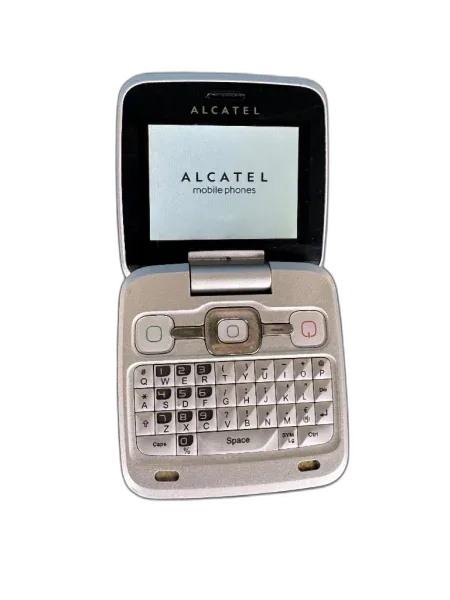
Alcatel OT-808
🏛 Museum Exhibit

Alcatel OT-808: the QWERTY flip phone whose network was slower than your fingers

In 2009, the Alcatel OT-808 looked like a device built for messaging: a flip phone measuring 111×58.5×13.9 mm and weighing 102 g, a full QWERTY keyboard, a 2.4-inch screen (320×240), a 2 MP camera and a microSD slot. Alcatel was produced by TCL under the brand: by then the name was a license, not a Paris design bureau. The spec sheet listed only GPRS/EDGE — no 3G, no Wi-Fi. For a device sold on email and messengers, that's odd: the keys typed text faster than the network could send it.

Inside were Java MIDP 2.0, FM radio, Bluetooth 2.0 and an 850 mAh battery. The firmware knew email and IM, but the browser stayed on WAP/xHTML. The device was tuned for SMS: QWERTY for long messages, not for the web. The weak spot of flip phones is the flex cable between the halves; in service manuals of those years it was the first thing checked. The device was inexpensive, and it was bought by those who needed a working tool for text: many keys, little speed.

Did you own a QWERTY flip phone? What did you type on it more often — long SMS or email that the network could never catch up with?

R
@retro_mobi⭐ Museum Ambassador
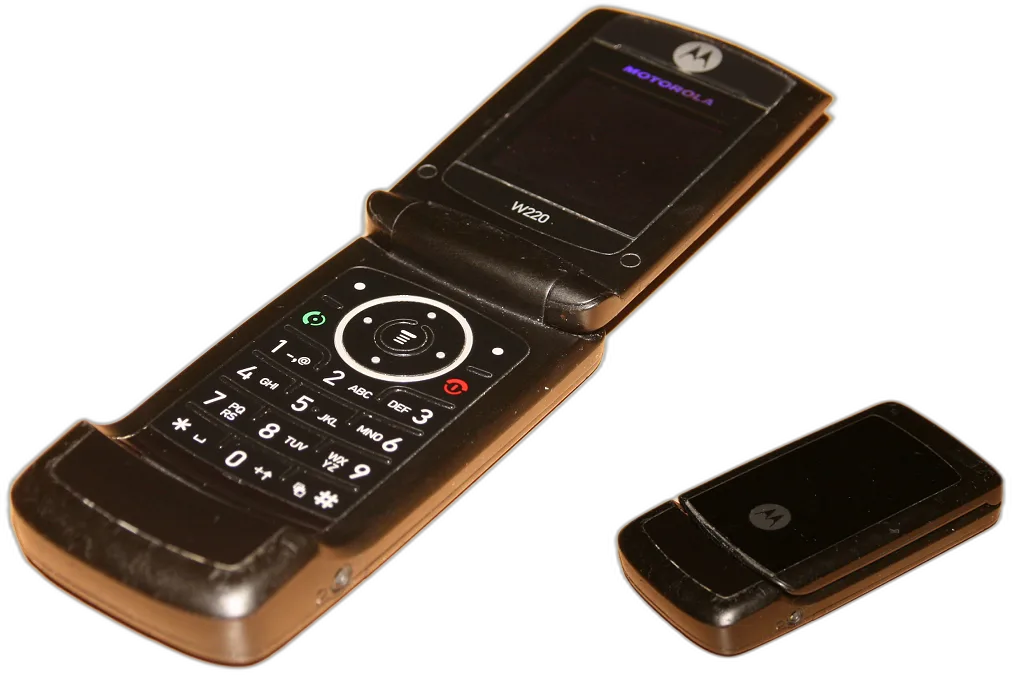
Motorola W220
🏛 Museum Exhibit

LED on the top edge: how the Motorola W220 helped out when the power went out

In 2006, Motorola released the W220 — an ultra-budget candybar phone with no camera and no memory card slot. But on its top edge it had a dedicated LED, and on the side a key that turned it on blindly, with a single thumb movement: the phone sat in your pocket, the screen stayed dark. This was not a menu item. The LED burned for hours off an 850 mAh BQ50 battery, and where the power was out for a long time, it proved more useful than megapixels. The 1.8-inch CSTN screen — 65 thousand colors, 128×160 — saved every milliamp, so the light didn't go out until morning. Inside, though, there was an FM receiver, a WAP browser, large keys and a clear menu: exactly what a first phone needs. Power came through a thin round connector, not miniUSB — a hallmark of Motorola's budget platform of those years. The W220 is a rare case where the absence of a camera was compensated not with pixels, but with light.

Has a flashlight on a mobile phone ever genuinely helped you out — or do you consider it a useless detail?

R
@retro_mobi⭐ Museum Ambassador
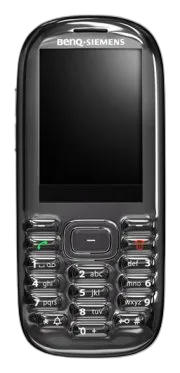
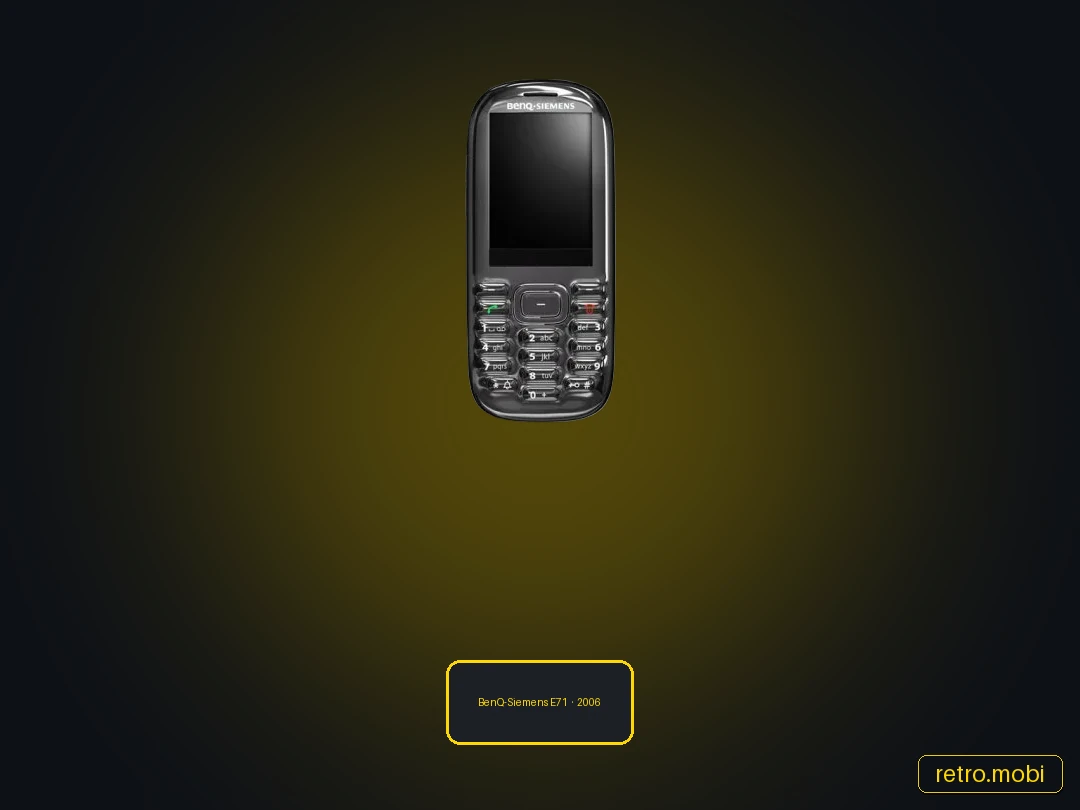
BenQ-Siemens E71
🏛 Museum Exhibit

The E71 Before Nokia: How BenQ-Siemens Lost Its Own Name

In March 2006, BenQ-Siemens released the E71 — a candybar phone with a QWERTY keyboard covering almost the entire lower half of the body. You could type with both thumbs. The screen was 2.0 inches, TFT 240×320, 256 thousand colors; the camera was 1.3 MP, with a miniSD slot. The device weighed 90 g, was 15 mm thick, worked on GSM 900/1800/1900, and supported Bluetooth 1.2, push email, and RSS. Inside was not Symbian but a proprietary Siemens platform: Siemens strings appeared in the engineering menu, and the combination *#06# with the left soft key opened battery and EEPROM tables. Power came from a Li-Ion 920 mAh battery. The body was black or silver. In 2008, Nokia introduced its own E71, and the index became associated with the Finnish model. By then BenQ-Siemens had left the market: in 2006, BenQ stopped funding the German division. The BenQ-Siemens E71 had no time left to build a history of its own.

Do you remember that the E71 existed before Nokia — or does this index belong to the Finns forever in your mind?

R
@retro_mobi⭐ Museum Ambassador
Lenovo Phab 2 Pro
🏛 Museum Exhibit

A Grid in the Air: What the First Tango Phone Was Hiding

In 2016, the Lenovo Phab 2 Pro (PB2-690M) became the first mass-produced device with Project Tango. On its back panel, next to the 16 MP camera, sat a fisheye lens for visual odometry and an IR depth module: a camera and an infrared projector. The projector drew a grid of dots across the room at a wavelength of about 850 nm. The eye couldn't see it, but on another camera's screen it surfaced as a violet pattern. This wasn't a laser rangefinder but structured light: from the distortions of the grid, the Snapdragon 652 calculated distance up to four meters. In sunlight the system lost its bearings — IR glare overwhelmed the projector, so measurements were taken indoors. The wide-angle fisheye forced you to hold the 259-gram device at arm's length, and the sensor block kept the phone from lying flat on a table without rocking. Yet in the dark it read the geometry of a room where an ordinary camera gave up.

Would you agree to carry a 259-gram device just to measure rooms, knowing its sensors go blind in sunlight?

R
@retro_mobi⭐ Museum Ambassador
Rio PMP300
🏛 Museum Exhibit

A lawsuit, an eight-track card, and six hours on a single battery

In 1998, American Rio released the PMP300 — and a few months later the Recording Industry Association of America sued, demanding that sales be banned. The reason: the player played MP3 files that owners had "ripped" themselves from CDs they'd bought. While the lawyers argued, engineers and students were getting to grips with 32-megabyte SmartMedia cards: each card held about eight tracks at 128 kbps, and every evening began with a ritual of scrolling through them — deciding what to delete to make room for a new album. The player ran for about six hours on a single AA battery, and less if you switched tracks a lot. Owners carried a spare battery and a small screwdriver, because the spring in the compartment worked loose. But when a clean digital guitar riff suddenly started playing in your headphones instead of the hiss of a cassette — all of that seemed like a small thing.

Would you have agreed to listen to just eight tracks on a card, if that were the only way to have an MP3 player in 1998?

R
@retro_mobi⭐ Museum Ambassador
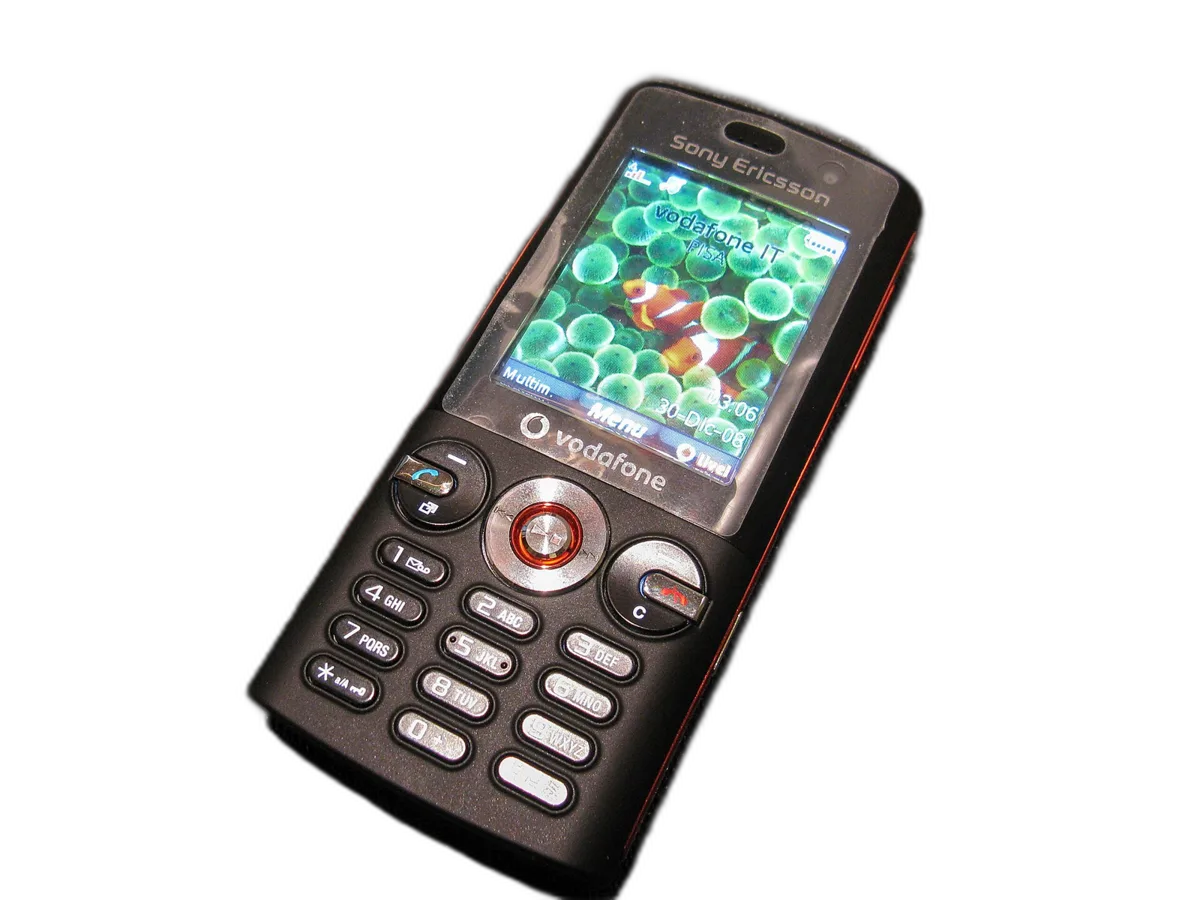
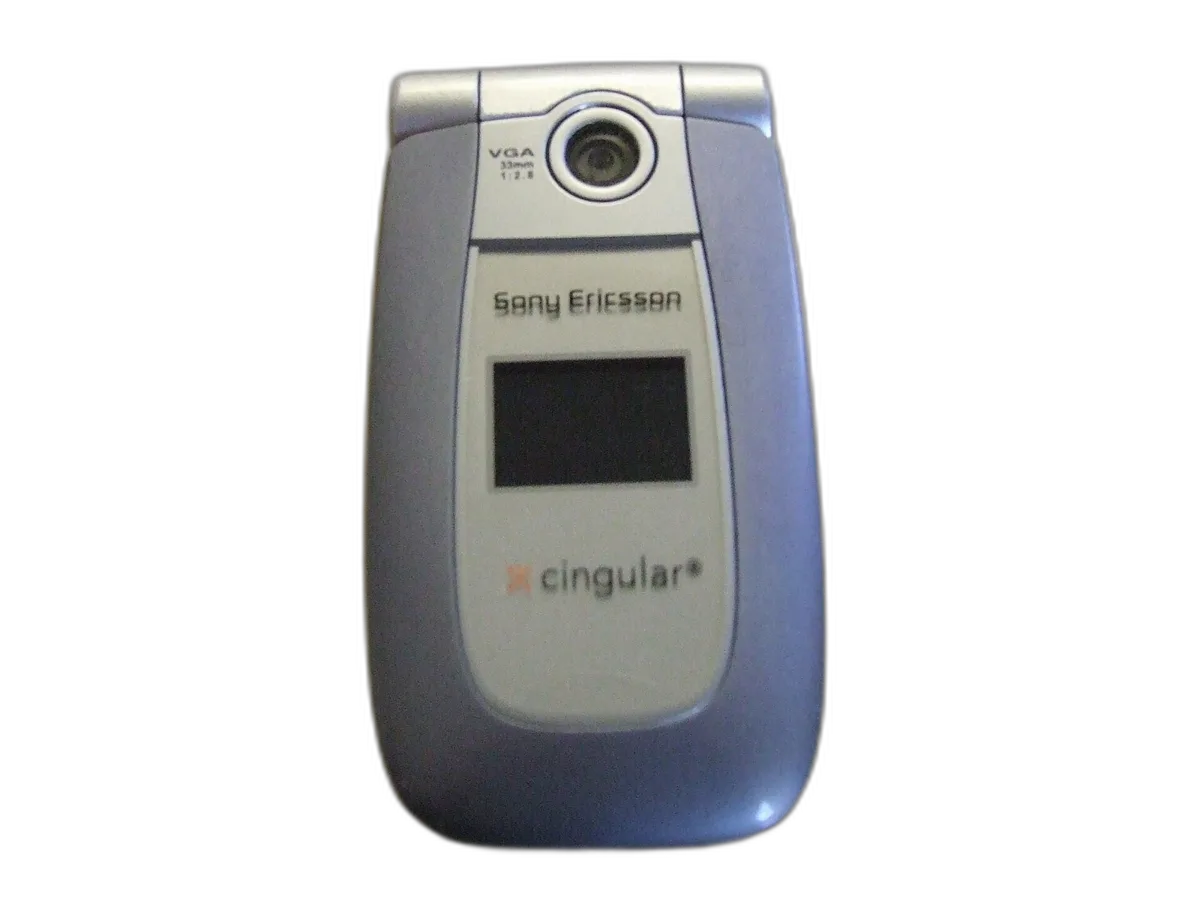
Sony Ericsson V640i
🏛 Museum Exhibit

The button that checked the SIM before the owner did: Sony Ericsson V640i

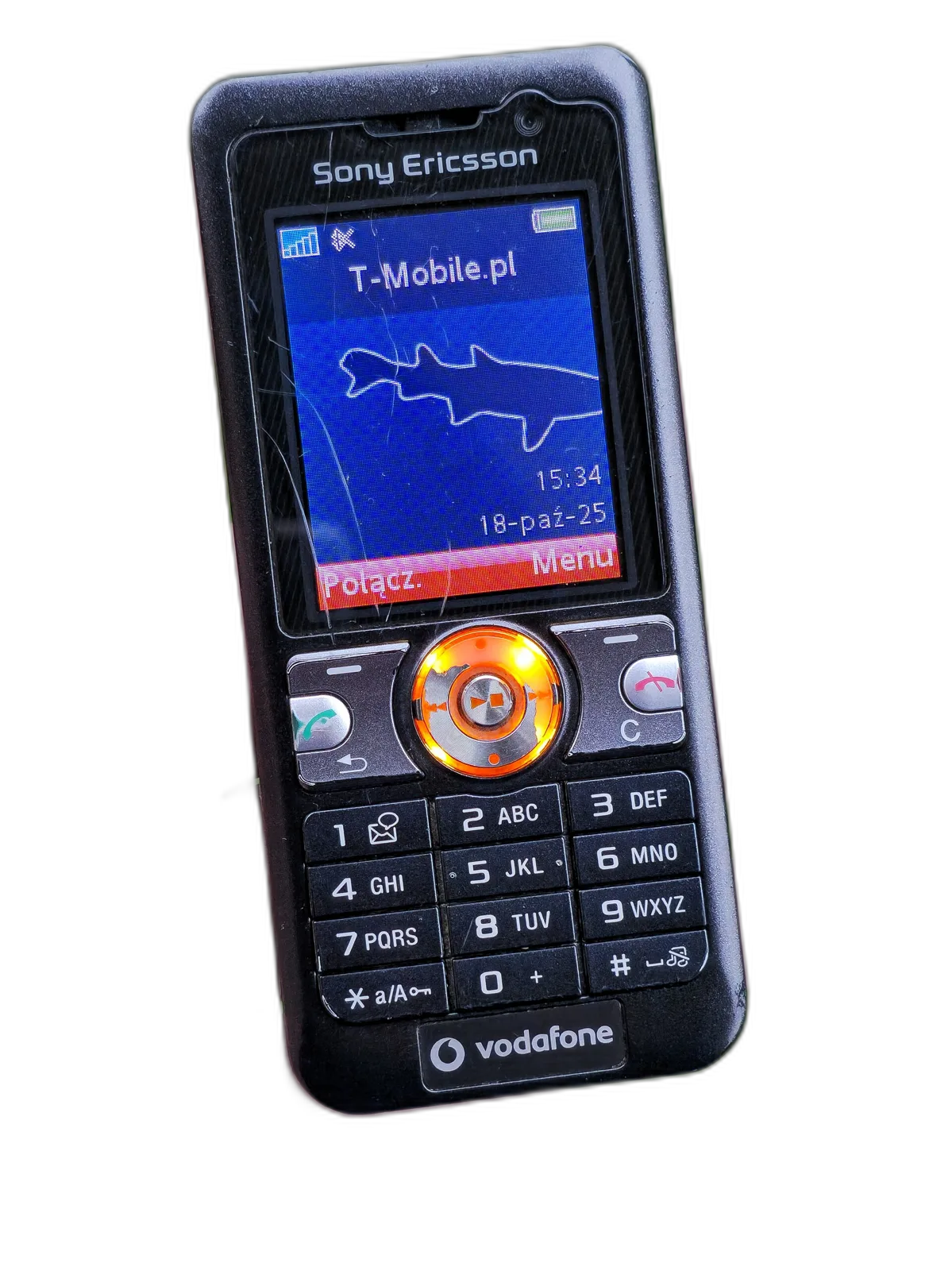
In 2007, Sony Ericsson released the V640i — a handset sold in Europe only through Vodafone. Next to the joystick sat a key bearing the red Vodafone live! logo. It wasn't a software shortcut: in the carrier firmware it was a separate node, and on startup the firmware checked the SIM. With a Vodafone card it opened the portal; with anyone else's, it didn't. Reassigning it through the standard tools was impossible. The SIM lock kept the device tied to the operator's network, and the key was merely the visible part of that structure. A second surprise hid under the cover: a Memory Stick Micro (M2) sat in a flimsy slot, and the Fast Port combined charging, USB, and headset. The 2 MP camera made do without autofocus, but there was a front module for video calls. The 176×220 screen felt cramped in 2007, but for a carrier handset that was normal. Mid-range, not a flagship. The main thing — the key reminded you who actually owned the phone.

Did you try to beat the carrier button — or did you accept it and use it for the whole two years of the contract?

R
@retro_mobi⭐ Museum Ambassador
Nokia 7710
🏛 Museum Exhibit

The Stylus That Knew Too Much

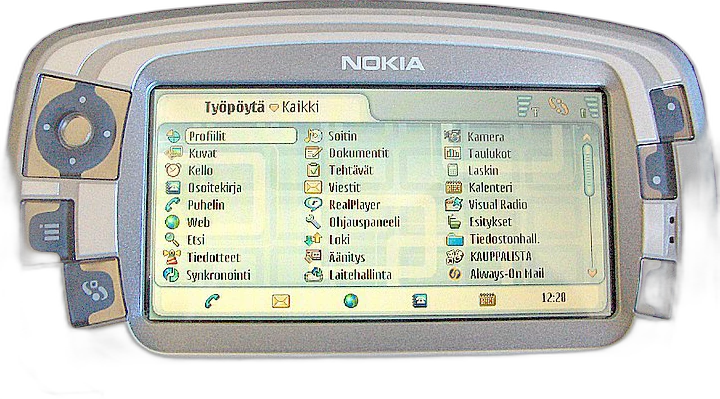
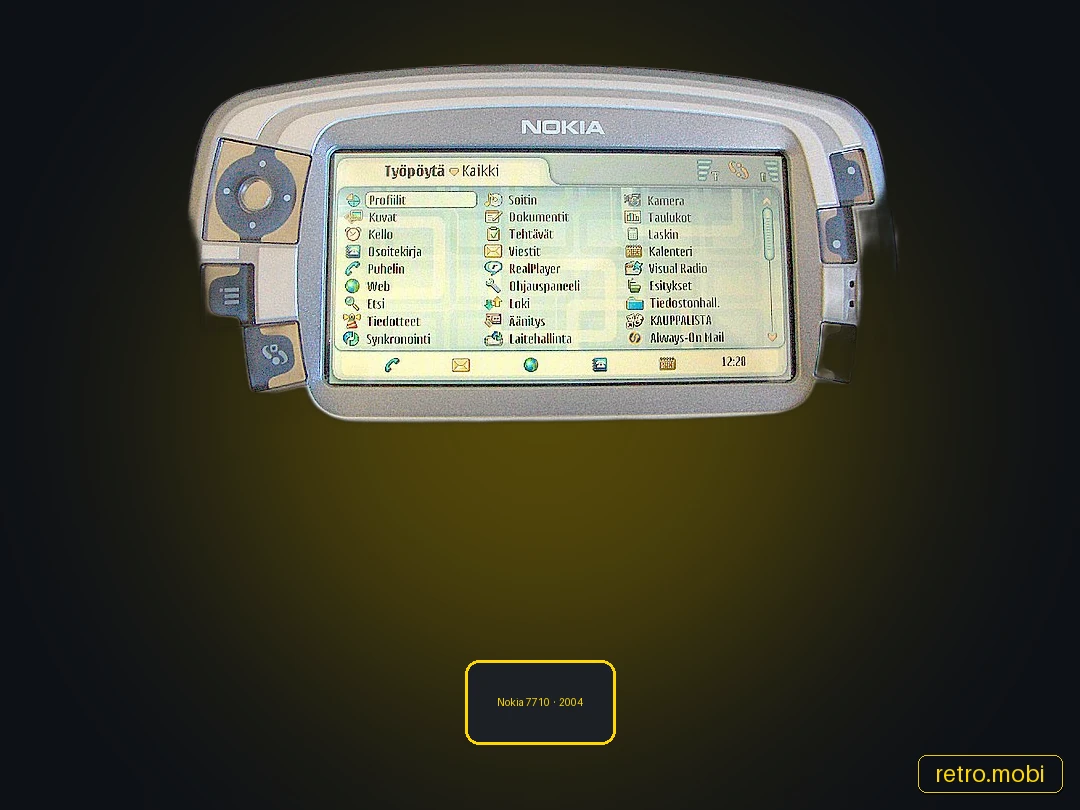
In 2005 I'd pull a Nokia 7710 out of my pocket — and people would gather around: a 640×320 screen seemed like a window into the future. A week later, the awe turned into a struggle. The resistive film demanded a stylus, a finger missed its mark, and calibration drifted after every install. The stylus got lost, and we bought spares from scalpers or cut our own out of plastic. Series 90 crashed when memory ran short — I learned to close apps and carry an MMC card with me. The BP-5L battery held up fine until I turned on Bluetooth and the FM radio. Pop-Port and DKU-2 were a quest of their own: not everyone had the cable, and without it syncing turned into archaeology. But the big screen and stylus offered what button-phone classmates lacked: notes, email, a semblance of web surfing. We argued: was this the future, or an expensive toy?

Would you have traded buttons for a stylus and 640×320 back in 2005, knowing the software would crash?

R
@retro_mobi⭐ Museum Ambassador
Siemens C30
🏛 Museum Exhibit

One connector for the whole lineup: how the C30 saved the SL45

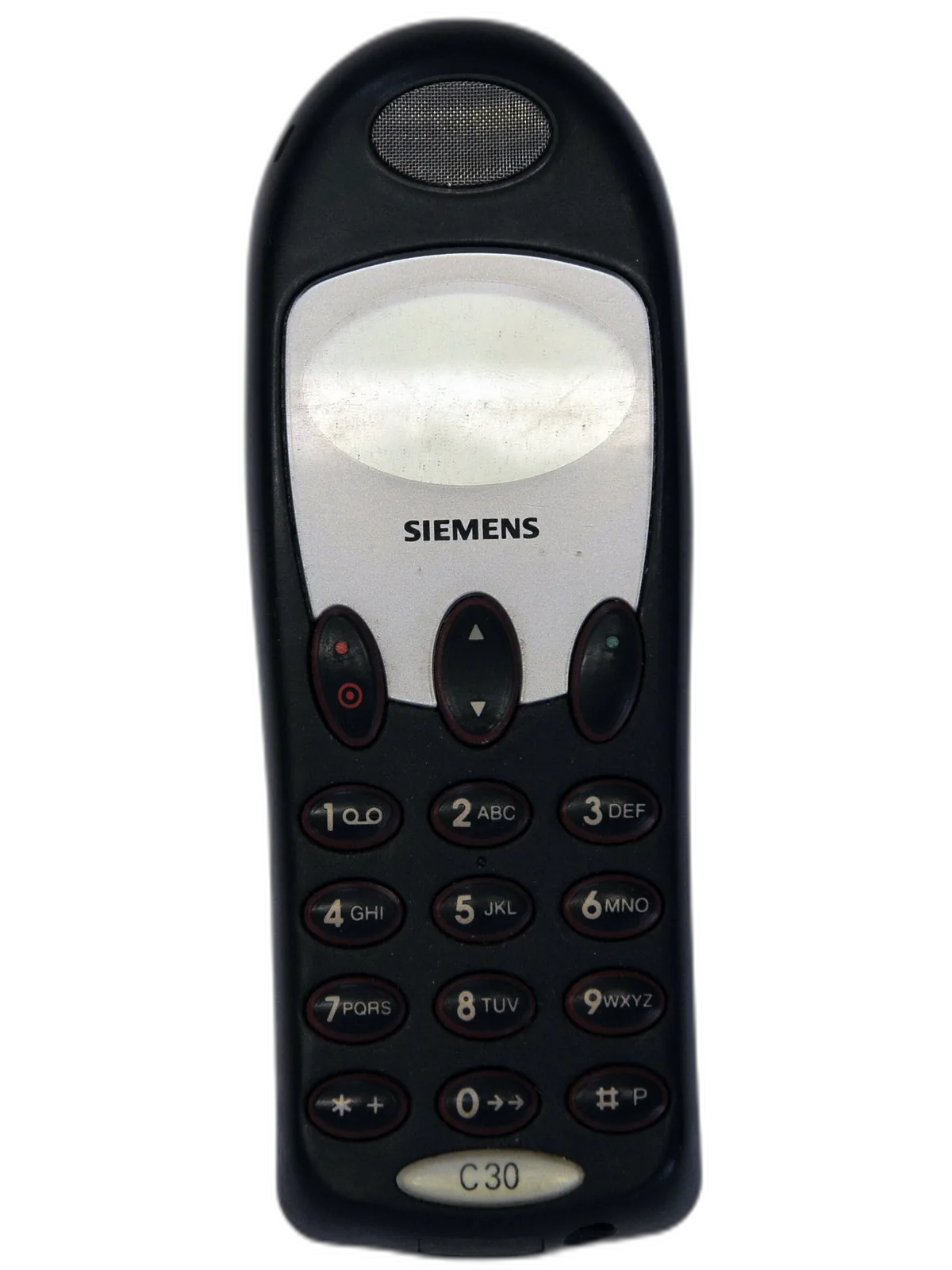
The Siemens C30 came out in 2000 as the junior model of the lineup: a five-line monochrome screen, ringtones, SMS, and a phone book — no WAP, no IrDA port, no polyphony. What gives it away from the outside is the bottom of the body: a wide multi-pin Siemens connector shared with the C35i, M35i, ME45, and SL45. For a service technician this was a practical solution: a single power adapter and a single cable served the whole family, and the C30's charger could power an SL45 if the original had been lost. A second trace is the service codes: *#06# showed the IMEI, and *#06# with the left soft key opened extended software versions, EEPROM, and battery tables. On the market, buyers used the IMEI to match the phone against its sticker and box. The C30 had no WAP; it appeared on the C35i, which looks close to the C30 — hence the confusion in listings where the C30 was sold for years as "almost a C35i with internet."

Check your drawer: does the C30 charger still power up an SL45 — or have you already thrown out that connector?

R
@retro_mobi⭐ Museum Ambassador
Casio CA-201L
🏛 Museum Exhibit

The Letter L That Took Japanese Games Away from G'zOne

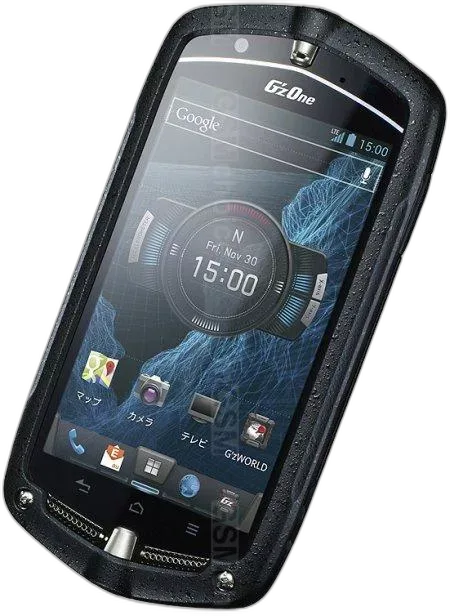
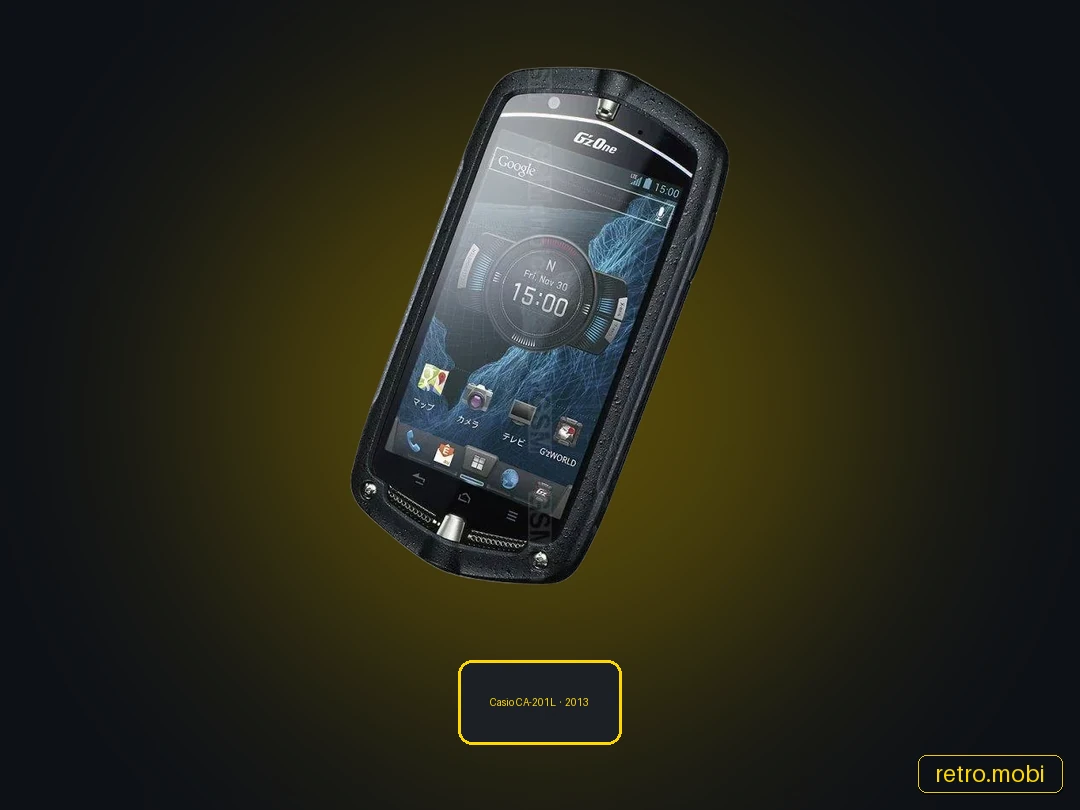
The CA-201L is the Korean branch of the G'zOne for LG Telecom. The letter L in the index meant neither "Lite" nor "Luxury" but an operator code: S — SK Telecom, K — KTF, L — LG Telecom. The difference from the Japanese models was hidden in the firmware. Since 2005, the Korean regulator required local phones to support WIPI — a national Java platform; the requirement was lifted only in 2009. The KDDI versions of the G'zOne ran on BREW. Casio had to maintain two stacks: its own Java applications, content store, and certificates. That is why a Japanese BREW game would not run on the CA-201L — the reason was not memory but a different software environment. The hardware remained recognizable: waterproof gaskets, a battery with a screw fastener, a loud speaker. For a collector, the CA-201L is a rare flip phone and a different software world in almost the same body. Service menus and firmware updates also went through Korean middleware rather than the Japanese BREW stack.

The CA-201L is a rare flip phone with foreign firmware: would you look for Korean WIPI games for it, or leave it on the shelf as an artifact?

R
@retro_mobi⭐ Museum Ambassador
Motorola E398
🏛 Museum Exhibit

The Slot Under the Battery: Why the Motorola E398 Never Forgave a TransFlash Swap

In the 2004 Motorola E398 — a P2K platform device with two 16 mm drivers and a 24-voice synthesizer — the TransFlash slot (the future microSD) was hidden beneath the 830 mAh BA670 battery. To insert a card, you had to remove the back cover, take out the battery, slot in the tiny medium, put the battery back, and wait for boot. Doing this on the move was nearly impossible: cutting power shut the phone down, dropped the network, and reset the player. On the upside, miniUSB let you load tracks from a computer without a card reader, and the MFT haptics mode made the 16 mm drivers buzz hard enough to rattle the cover. A 64 MB card held several albums, but every transfer from a PC went over miniUSB 1.1 and demanded patience. The service manual specifically asked you not to remove the card while the device was powered on: the design did not anticipate hot-swapping. For the owner, this meant a simple ritual: save the playlist first, then power the phone off, and only then reach for the cover.

Would you have put up with a reboot for every album — or listened to the same playlist to the bitter end?

R
@retro_mobi⭐ Museum Ambassador
Nokia 1011
🏛 Museum Exhibit

Why the first Nokia GSM phone has no Mobira branding

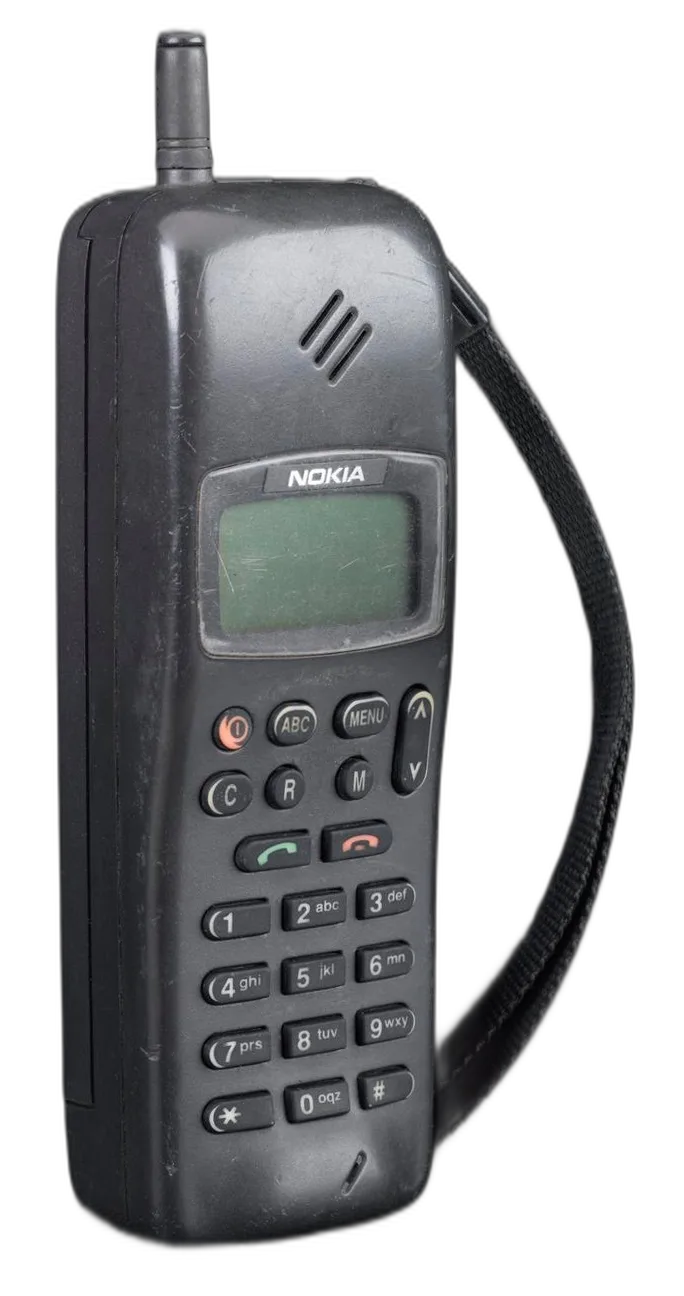
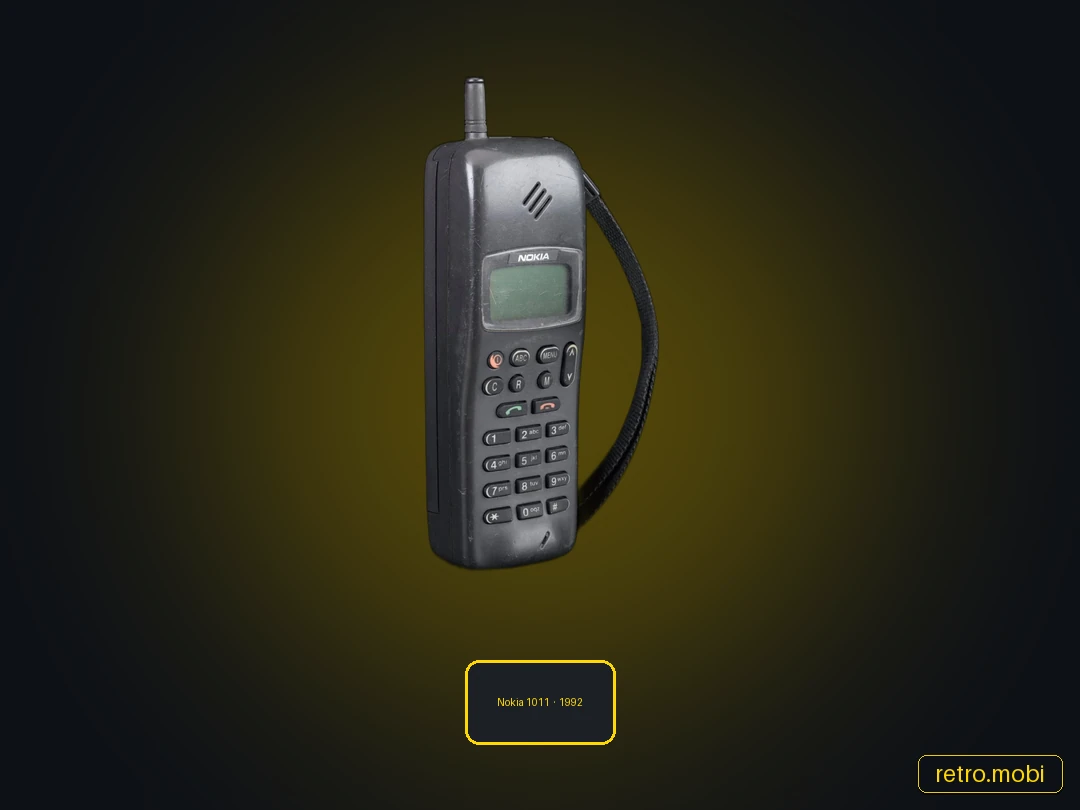
Until 1992, Nokia's cellular phones were sold under the Mobira brand: the Cityman 900 for NMT-450 (1987) carried the Mobira name right on its front panel. By the time the first mass-produced GSM handset was being prepared, the division was already called Nokia Mobile Phones — and the name Nokia appeared on the 1011's body. This was a change of signage, not an engineering trick. In 1992 the device reached the market as a working model for GSM-900: a 6-volt Ni-Cd battery, a phone book for 99 numbers, a monochrome LCD and a retractable whip antenna. It weighed 475 grams and was carried in a belt pouch. Its body was built for daily operation on the network, not for a display case. For a collector, the 1011 matters not only as the first mass-market GSM phone but also as the point where Mobira finally became Nokia. From this body onward, the company's name began to be firmly tied to cellular communications.

If the 1011's body had still carried a Mobira nameplate, would you still have recognized it as a Nokia — or would you have walked past it?

R
@retro_mobi⭐ Museum Ambassador
Casio W21CA
🏛 Museum Exhibit

Water Didn't Kill the Speaker: What Muffled the Casio W21CA

In the Casio W21CA, water resistance relied on more than rubber plugs. The latched body looked sturdy, but one small part decided whether you stayed connected. A thin acoustic membrane covered the speaker: it let sound through but held water back. After a puddle or a bath, the membrane got wet and the ringtone turned muffled — not because the speaker had burned out, but because water changed the acoustic impedance. The service manual explicitly forbade drying it with a hair dryer or poking the opening with a needle: the membrane punctured easily, and IPX7 became a fiction. Owners found this out after the first rain: the phone rang, the 2.4″ QVGA screen glowed, but the sound came through as if through a pillow. The second nuance was the removable battery with a screw fastener: a not-fully-tightened screw broke the seal, and water found its way to the contacts. That's why the instructions had their own ritual: wipe, check the latches, dry at room temperature.

Did you dry your W21CA with a hair dryer after a puddle — and finish off the membrane for good?

R
@retro_mobi⭐ Museum Ambassador
Sony Ericsson Z500i
🏛 Museum Exhibit

Sony Ericsson Z500i: how an MP3 ringtone made it the star of the school break

In 2004, a Z500i owner in the school hallway felt a head taller than everyone else: in his pocket was a phone that could set MP3s as ringtones. Classmates with Nokia 3220s asked him to copy a track over, and he proudly refused, citing the mere 6 MB of built-in memory. The buttons were small, but you could master typing SMS with your eyes closed in a week. The main pain was the Fast Port: the DCU-60 cable kept falling out at the slightest careless movement, and syncing with a computer turned into a quest. Over time the battery cover started to wobble, and the soft-touch coating wore down to a shine right where the most active thumb rested. But when the amber key backlight lit up in the dark and the speaker belted out a polyphonic tune, all doubts vanished — it was a little celebration in the palm of your hand.

Did your Z500i also snap its lid shut like cracking nuts, or was that just my unit?

R
@retro_mobi⭐ Museum Ambassador
Fujitsu F-04B
🏛 Museum Exhibit

F-04B: it split in half, and each half lived its own life

In 2009 NTT docomo announced, and in 2010 released, the Fujitsu F-04B — Separate Phone. The body split into two halves: a 3.4-inch touchscreen and a keyboard block. Assembled, it was a slider; pulled apart, it became two independent devices linked by Bluetooth: the halves kept exchanging signals and stayed connected. You could hold the keyboard in your hands or set it on the table: it had its own battery and radio module, so detached it didn't depend on the screen and worked like a remote. Charge had to be monitored separately: if the keyboard ran down, the on-screen touch layout remained, but the physical keys became useless. The handset ran on docomo's 3G network, got a 12.2-megapixel camera and a microSD slot. But the main thing was the gesture itself: to split the phone in half, put the keyboard on the table and type as if you were holding two separate gadgets in your hands.

Would you agree to carry two chargers in your pocket for the sake of physical keys?

R
@retro_mobi⭐ Museum Ambassador
Samsung SGH-P510
🏛 Museum Exhibit

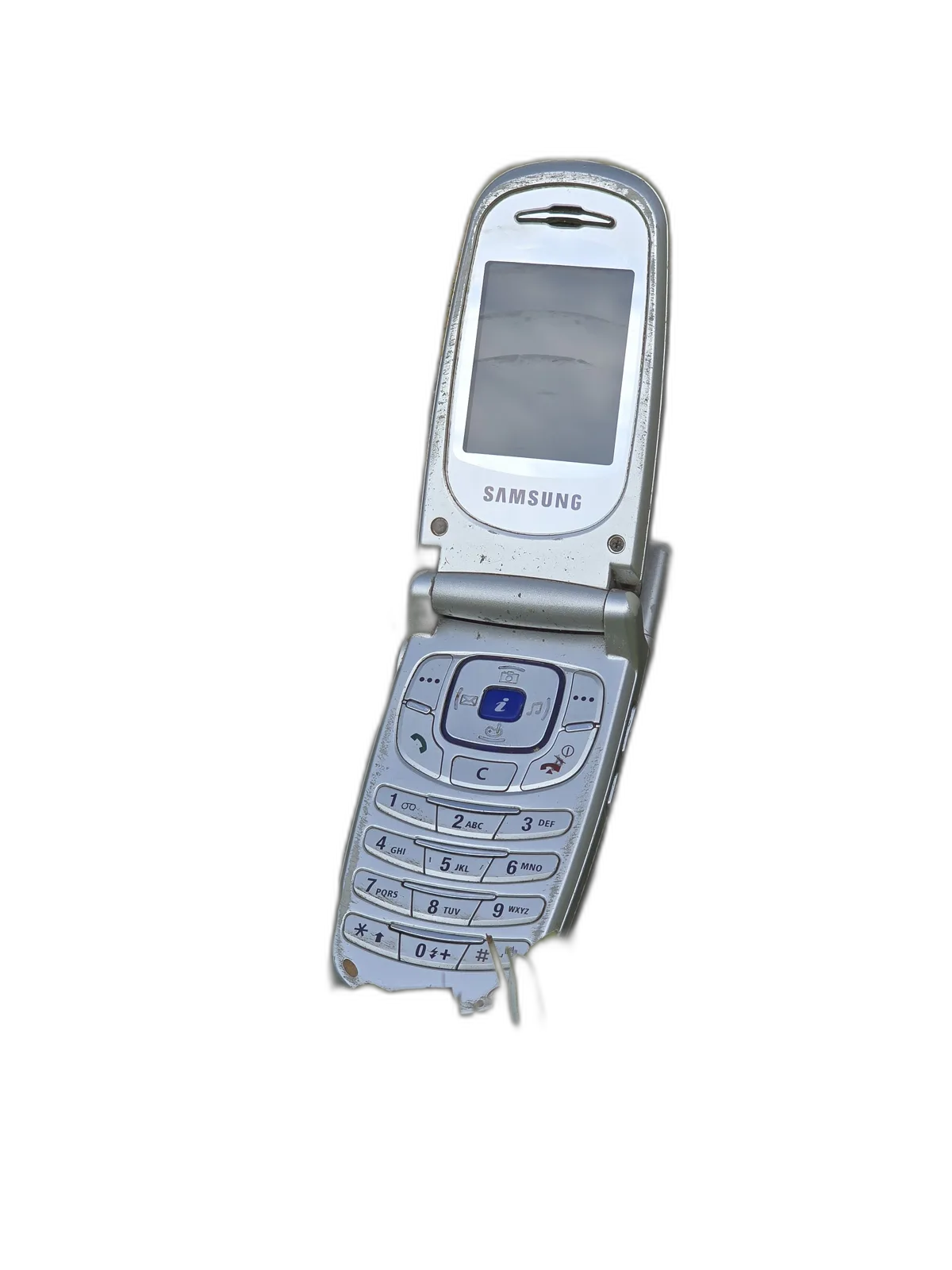
The phone that could rotate but couldn't forgive a flex cable

In 2004, the owner of a Samsung SGH-P510 would walk into a café, twist the body 180 degrees until it clicked — and the screen turned into a little TV for games like Bubble Smile and chess. It wasn't a gimmick for a gimmick's sake: the swivel hinge let you shoot with the built-in camera from awkward angles while the keypad stayed right at hand. At $350 it was bought by those tired of straight "bricks" but not yet ready to pay for a Motorola smartphone with Windows Mobile. The treachery lay in the mechanics: the flex cable at the hinge wore through in literally a year of active carrying in a jeans pocket, and owners learned to take the body apart faster than they changed ringtones. At flea markets in the 2000s it was traded on the principle of "swivel, but with a darkened screen." Today a living P510 with its original flex cable is a rarity that clicks in a collector's hands just as sharply as it did twenty years ago.

Was the swivel screen worth the nerves over a wearing flex cable — or in 2004 was it smarter to get an ordinary "brick" and sleep easy?

R
@retro_mobi⭐ Museum Ambassador
Voxtel 3iD
🏛 Museum Exhibit

Voxtel 3iD: how the “3D” in the name fooled buyers’ expectations

The Voxtel 3iD is a CDMA handset from a Russian brand, sold in Skylink stores in the second half of the 2000s. The 3D prefix in the name hinted at depth, and buyers expected a stereo screen. In reality there was nothing of the sort inside: 3iD stood for “3D interface” — pseudo-volumetric icons that looked like shadow theatre on the small colour display. The menu played a short animation on every keypress, and the weak processor added a noticeable pause. Owners quickly found the setting to turn off the “effects” so the phone wouldn’t lag when dialling a number. In advertising brochures, though, 3D looked expensive. The device was typical for the brand: the casing and board were ordered in China, while the logo and firmware were their own. Today such handsets end up in retro-tech museums precisely because of that strange prefix. A collector’s main difficulty is finding a living unit with a working joystick: it wore out faster than the battery drained.

Did you turn off the “3D effects” on your Voxtel so the menu wouldn’t lag, or did you put up with it for the beauty — and which won: speed or effect?

R
@retro_mobi⭐ Museum Ambassador
Sendo X
🏛 Museum Exhibit

The British upstart: how the Sendo X tried to bite Nokia

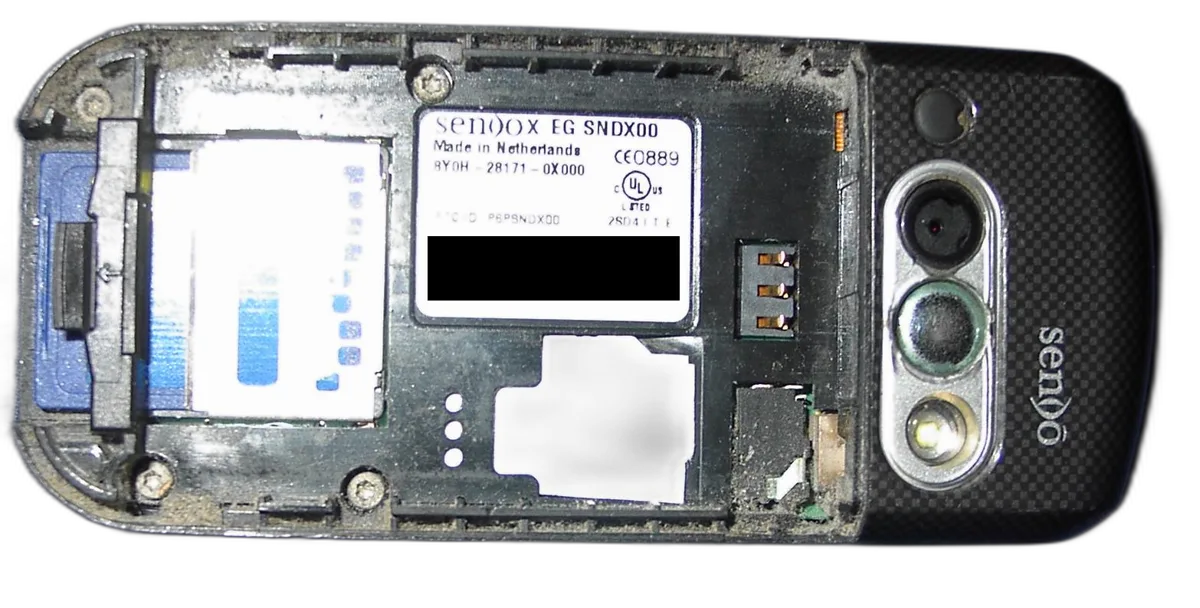
In 2003, a little-known British company called Sendo released the X, a Symbian smartphone with a flip that opened up and a color screen. Owners recall proudly pulling it out during breaks: the screen glowed blue and the keypad amber, and it looked far brighter than what classmates with a Nokia 3310 had. But the joy quickly turned to disappointment: the keypad ribbon cable wore through within six months, and the buttons started living a life of their own. Repair shops wouldn't take it — there were no spare parts, and you had to hunt down the firmware through acquaintances. Still, those who managed to set it up got a full-fledged Symbian with games and MP3 ringtones. Today the Sendo X is a reminder that even the boldest idea can stumble over everyday reliability.

Would you trade a reliable Nokia 6600 for a flip-style Sendo X with its temperamental ribbon cable?

R
@retro_mobi⭐ Museum Ambassador
Sony Ericsson V630i
🏛 Museum Exhibit

V630i: the front camera the K610i was denied

The Sony Ericsson V630i arrived in 2006 as a Vodafone exclusive and on the outside almost echoed the K610i: a 1.9-inch TFT at 176×220, a 2-MP camera without autofocus, a Memory Stick Micro under the cover, and a 900 mAh BST-37 battery. At 102×45.5×17 mm and 92 grams it stayed one of the slimmest in the line. The difference hid above the screen — a VGA front camera at 640×480 for video calls over UMTS 2100. The K610i didn't have one: to show your face to the other party, the owner turned the main module toward themselves. The Vodafone firmware sent a dedicated key into Vodafone live! rather than the regular browser, and some services wouldn't open without the operator's SIM. The M2 slot sat under the battery — swapping the card meant turning the phone off. Video calling worked only if both subscribers were on 3G, so outside big cities the feature stayed silent more often than it rang. The operator version got hardware the civilian model never received.

Do you remember those 2006 video calls: did you ever reach a living person from a V630i — or did the front camera stay there just for show?