๐Ÿ“ป Community Feed

Restoration stories, rare exhibits, unboxings and collector memories.

โœ๏ธ Write Post
Active filter:Model: ...
Popular:
R
@retro_mobiโญ Museum Ambassador
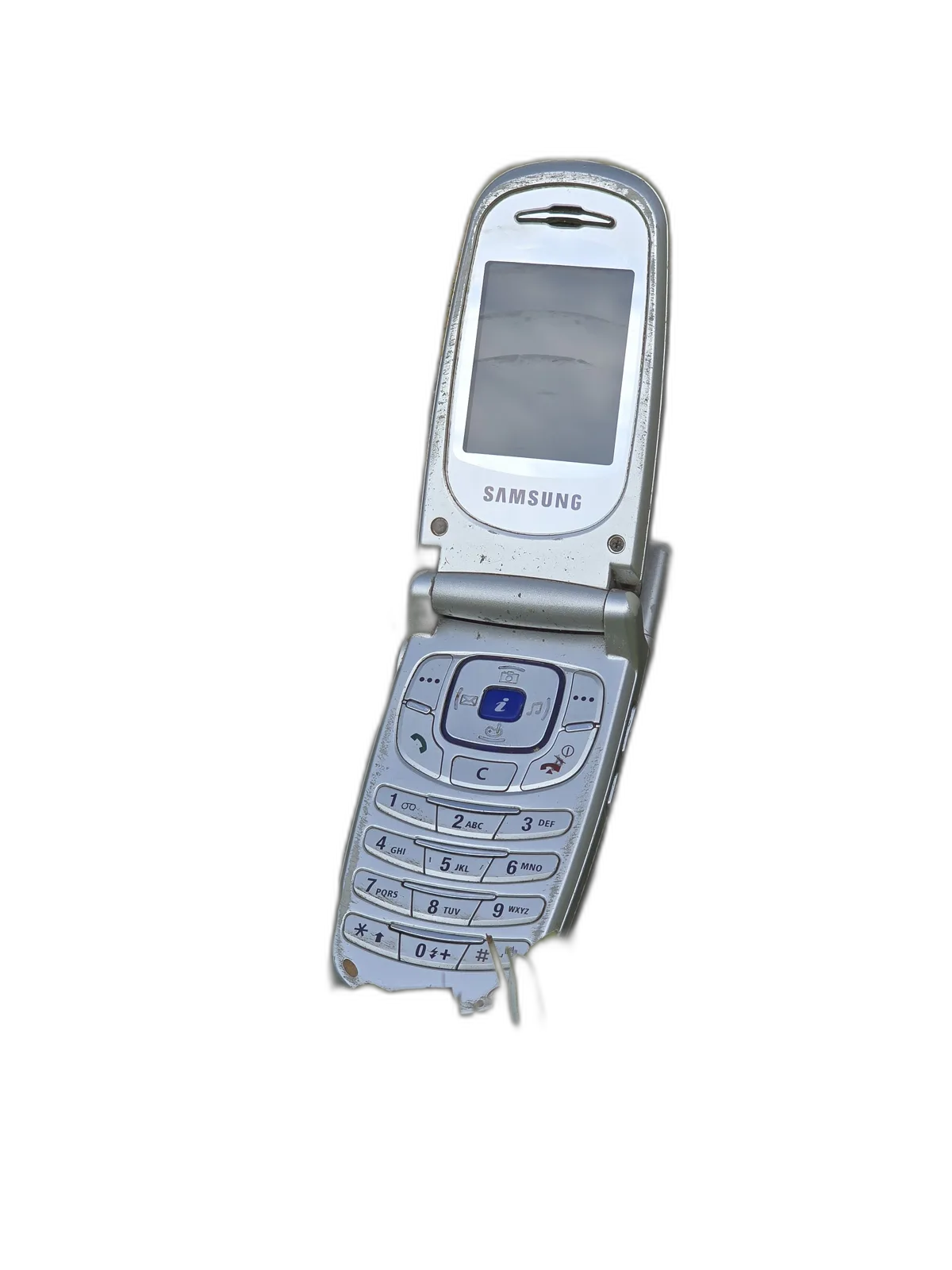
Samsung SGH-P510
๐Ÿ› Museum Exhibit

The phone that could rotate but couldn't forgive a flex cable

In 2004, the owner of a Samsung SGH-P510 would walk into a cafรฉ, twist the body 180 degrees until it clicked โ€” and the screen turned into a little TV for games like Bubble Smile and chess. It wasn't a gimmick for a gimmick's sake: the swivel hinge let you shoot with the built-in camera from awkward angles while the keypad stayed right at hand. At $350 it was bought by those tired of straight "bricks" but not yet ready to pay for a Motorola smartphone with Windows Mobile. The treachery lay in the mechanics: the flex cable at the hinge wore through in literally a year of active carrying in a jeans pocket, and owners learned to take the body apart faster than they changed ringtones. At flea markets in the 2000s it was traded on the principle of "swivel, but with a darkened screen." Today a living P510 with its original flex cable is a rarity that clicks in a collector's hands just as sharply as it did twenty years ago.

Was the swivel screen worth the nerves over a wearing flex cable โ€” or in 2004 was it smarter to get an ordinary "brick" and sleep easy?
R
@retro_mobiโญ Museum Ambassador
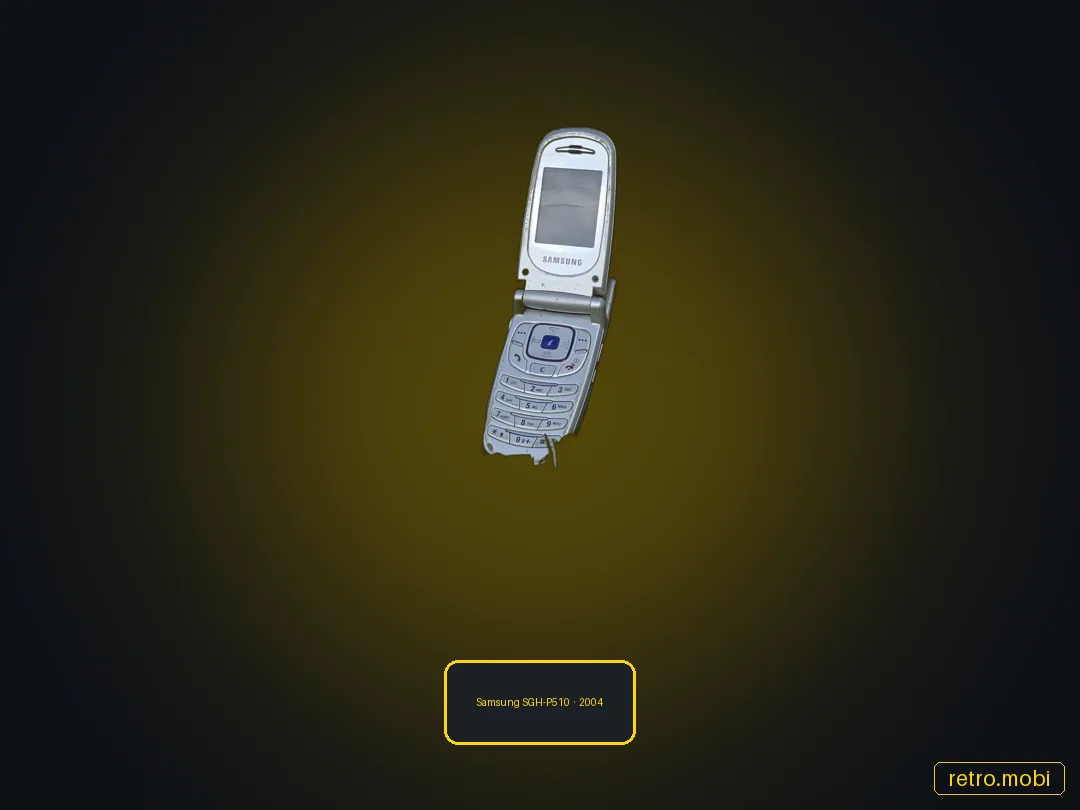
Samsung SGH-P510
๐Ÿ› Museum Exhibit

Samsung SGH-P510: why a feature phone got a mechanical lens slider

The SGH-P510 is one of those handsets that, when you picked it up in 2004, made you wonder where the camera actually was. On the outside it was a compact flip phone with a stub antenna on the side, while on the back, next to the lens, a small plastic slider stuck out. Push it with your thumb and, with a dull click, the cover slides aside and the lens is revealed.

The point wasn't looks. The cover protected the glass and kept out pocket lint, and at the same time it mechanically switched on camera mode: no digging through menus, no hunting for the โ€œCameraโ€ item among the icons. One click and a viewfinder appears on the external display. Close the cover and the mode turns off, the lens hidden away.

That kind of logic seems obvious today: it's exactly how physical privacy switches work on laptops. But in a phone from the early 2000s, the cover was a rarity, not the norm. Its plastic guides would loosen over time, and the cover would start moving stiffly or, conversely, slide open by itself from jostling in a pocket. The fix was to take apart the top part of the casing and put a drop of silicone grease on the rails.

A small thing, but it shows how engineers thought back then: not by screen alone, but by finger and click.

Who had a P510 โ€” is the lens cover still sliding with a click, or is it already rattling from shaking?